My background in English was important in plotting with my colleagues which parts of the literary marketplace we wished to take on when we started Bloomsbury in 1986, which I did 10 years after graduating. It also provides a framework for judging the huge amount you will read and consider for publication in a lifetime in publishing,

Where will English take you? Publishing
good publishers…are market-makers in a world where it is attention, not content, that is scarce (John Thompson, Merchants of Culture)
Nigel Newton, alumnus and founder of Bloomsbury Publishing, thinks English graduates are well equipped to thrive in any career, with the degree giving them the 'perfect skill set for leadership in the AI era with its cultivation of empathy, communication skills and data analysis'.
At a more fundamental level, for those just beginning in publishing the one skill that the Society of Young Publishers advises is non-negotiable is having an exemplary command of written English. Happily, English students at Cambridge leave with a well-honed ability to write, evaluate and edit their own and others' writing. Exposure to the very best literature, and the close personal attention of the Cambridge supervision system combined with supervisors' feedback on many weekly essays create a strong sense of what makes for good writing that our graduates take into the world. This also makes our graduates excellent at communicating their ideas, which is at the heart of publishing. As the Publisher's Association puts it, publishing is 'about communicating ideas, making connections...getting those ideas out to the world and in a way that will have the most impact.'
That said, an alumna and Publisher of Virago, Sarah Savitt, comments wryly in an interview with Flip: 'when I started editing, I think I approached editorial notes as a kind of academic exercise, where I was trying to impress the author intellectually. I did also give constructive feedback on the text and how to shape it, of course, and I’ve always taken editing really seriously, and loved that part of my job. But I’ve learned over the years that editorial feedback is also about diplomacy and encouragement. It’s not about me trying to get an A+.'
Alumni Interviews
Read two in-depth interviews with English alumni who have gone into magazine publishing.

3 Alumni in Book Publishing
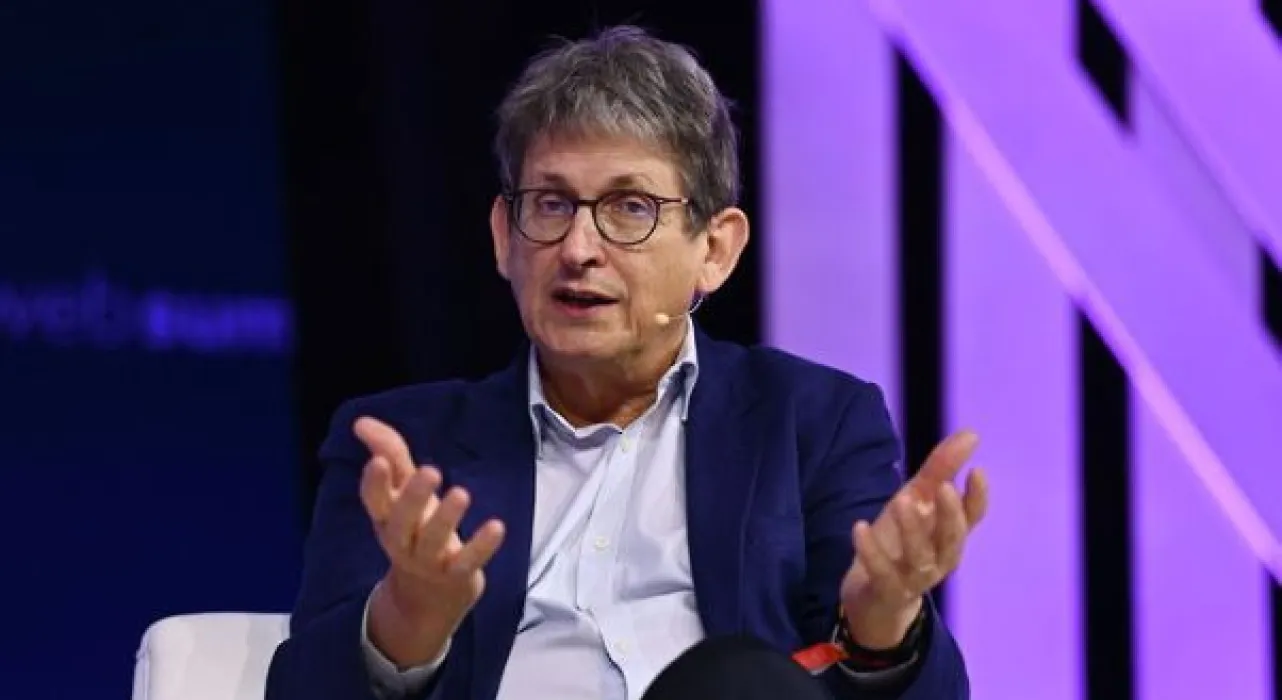
Sarah Savitt, Publisher of Virago

Clare College, 1999
Sarah Savitt is Publisher of Virago and previously worked at Headline, Faber and David Godwin Associates, having begun her career as a publicity assistant at HarperCollins. She joined Virago in 2016 and feels that it 'changed British publishing' by showing 'that there was a large and enthusiastic audience for excellent writing by women', that it could 'sell in serious quantities...be prize-winning and canonical...be provocative, funny and experimental' and illuminating 'an often hidden history of writing by women.'
Bella Lacey, Managing and Publishing Director of Granta Books
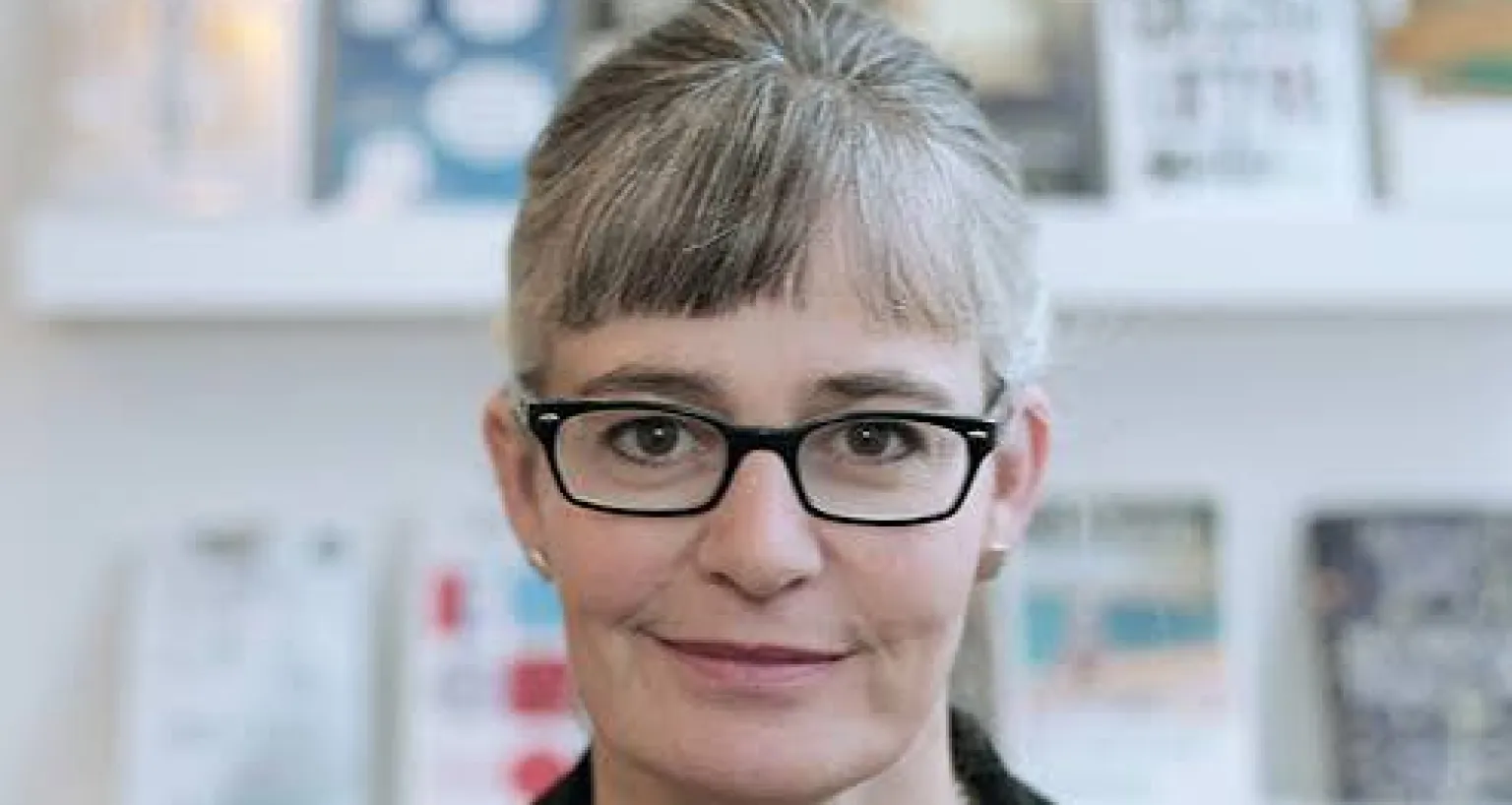
Corpus, 1993
Bella Lacey joined Granta in 2002 and became Publishing Director in 2019. Her role is to shape and steer their publishing vision and strategies across the company. She says she loves 'the power of the written word, the daring creativity of great writers which can change the way we think, and the pleasure of a well-made book.' During her time at Granta she has edited and published some of the most exciting contemporary writers. Among the books she rereads are ones that many students will encounter here: Middlemarch by George Eliot, Heart of Darkness by Joseph Conrad and poems by Emily Dickinson.
Nigel Newton, Founder and Chief Executive of Bloomsbury Publishing
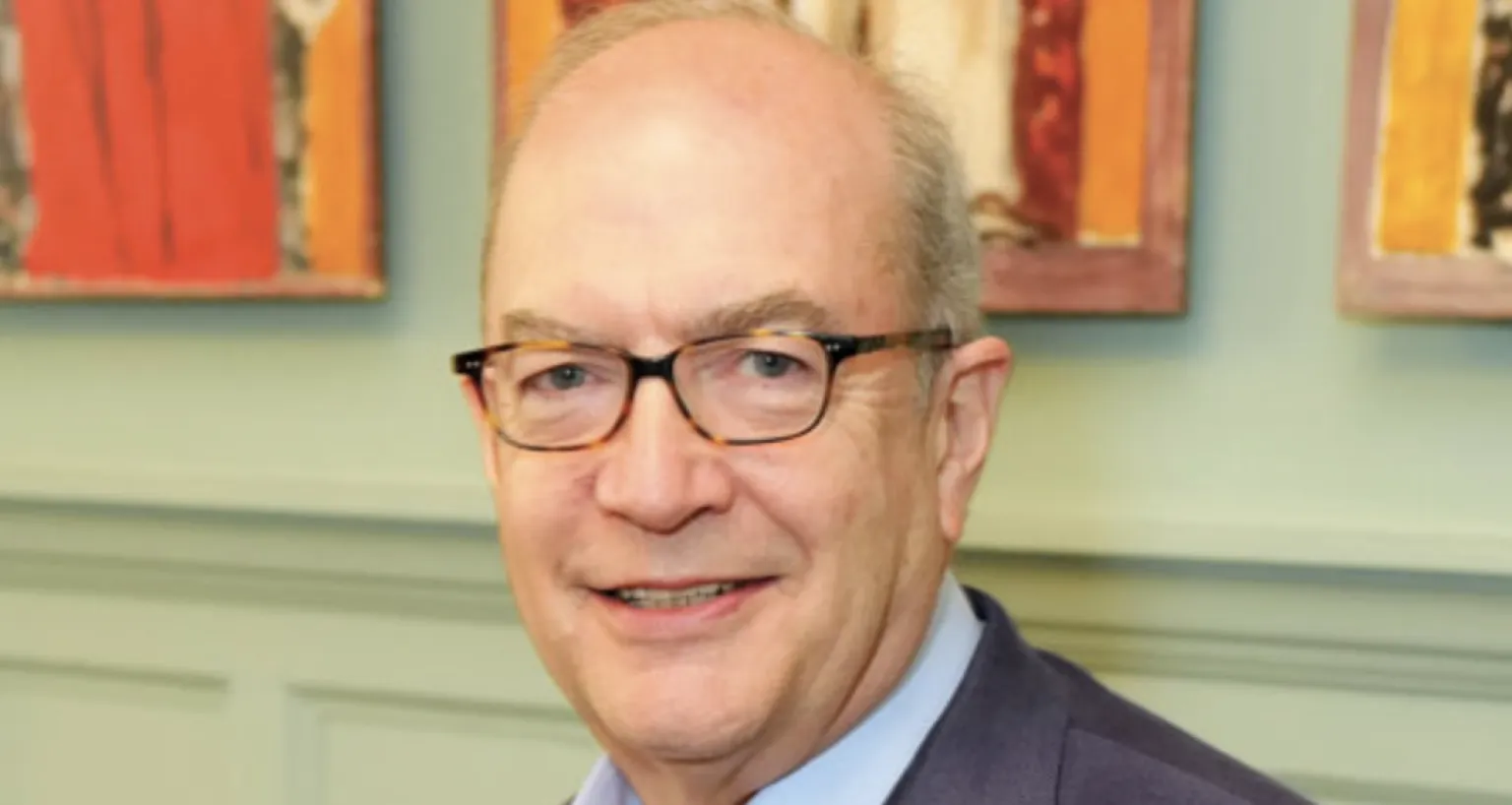
Selwyn College, 1973
Nigel Newton CBE is the Founder and Chief Executive of Bloomsbury Publishing, one of the world’s leading independent publishing companies and which famously published the first Harry Potter book. He says he 'applied for several different types of job in my final year at university but knew that publishing was the one for me if I could get in...My degree was in English and books were my first love.' He founded the company in 1986 and today it has 750 employees and offices on four continents. He believes that his degree put him 'in a credible position to start Bloomsbury Publishing'.