
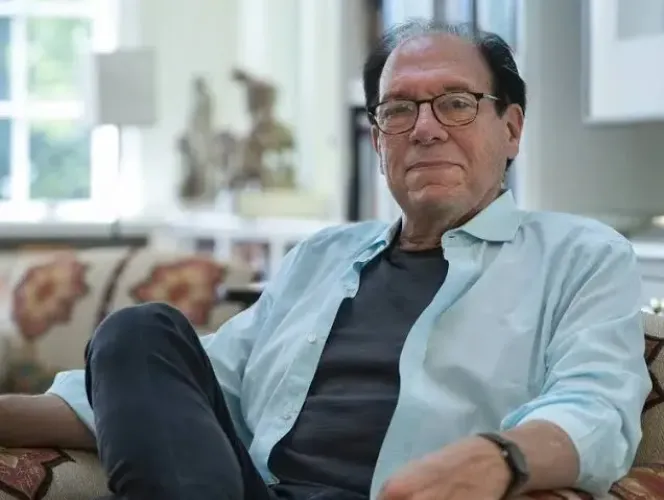
It was theatre that I was interested in. Appearing in front of a live audience, and the problems, technicalities, and joys of that. It was also rooted in – and this is why Cambridge was crucial to me – a respect for the word and the text of a play… Which, of course, overlaps into your studies. You study Shakespeare, you study plays, and so – for me – there’s never been much of a division between people who write about the plays as academic texts and study them for examinations, and actors like me who analyze them for performance. We seem to be in the same business, really.

Where will English take you? Theatre
Many Cambridge English students arrive with a passion for drama that flourishes while here, albeit sometimes in ways that make Directors of Studies rueful. There are opportunities to act, direct and produce and write within colleges and at the ADC, which is run almost entirely by students. Inevitably not all can go on to successful careers in theatre, but the opportunities here are recalled fondly by actors as prestigious as Sir Ian McKellen. Stephen Fry, another alumnus, enthusiastically advises: 'Cambridge is a time when you can play characters three times your age (in the professional world there is a ready supply of sixty year olds) and experiment and live up to the Elizabethan word for “actor” which was “player”. Play, my children, play. Play gracefully and play disgracefully.'
Successful alumni frequently reflect on how their degree directly influenced their career. Ken Ludwig, who has been lauded as 'America's most celebrated comic playwright', recalls how he benefited from 'the intellectual rigor of Cambridge' which 'helped me understand the structure and meaning of plays and novels to a degree that I had never understood before.' While Robert Icke, the youngest Olivier Award-winning director, argues that 'Cambridge English is really good preparation for being a director – you’re given the confidence to read texts in your own way and to have a relationship to texts that is potentially iconoclastic and disrespectful. You’re able to say, ‘You know what? Everything else that everybody thinks about this text is all wrong.’”
Alumni Interviews
Read or watch in-depth interviews with some of the English alumni who have gone into theatre.





3 Alumni in Theatre
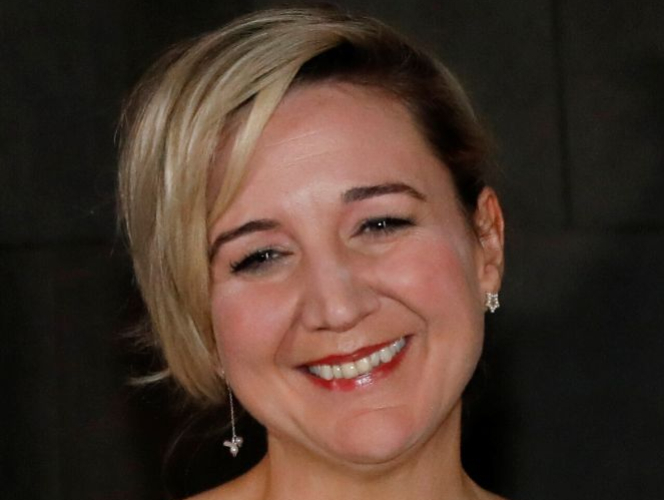
Toby Marlow, co-writer of Six: The Musical

Robinson College, 2014
Toby Marlow (they/them) composed and co-wrote Six: The Musical with Lucy Moss and together they won a Tony Award for Best Original Score in 2022. The idea for Six came to Toby while they were in a Practical Criticism supervision. In an interview with Vogue, Moss and Marlow explain that Six arose because they wanted more substantive roles for 'women and non-binary friends who never got the good parts'. You can read the rest of the interview here:
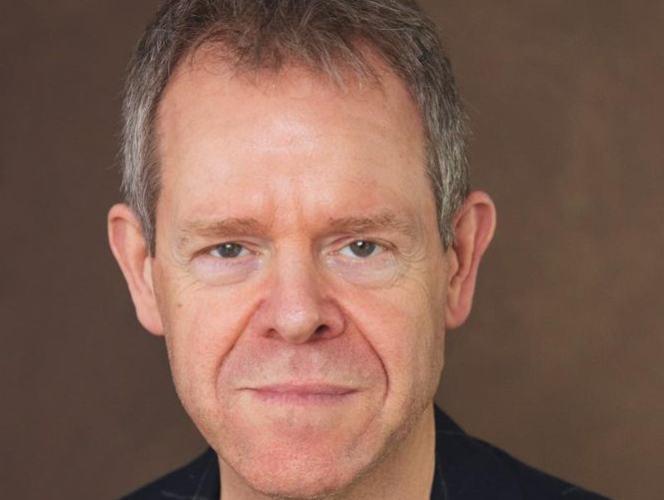
Jay Miller, Founder and Artistic Director of Yard Theatre

St Catharine's College, 2003
Jay Miller founded the Yard Theatre in 2011, which has become one of London's most dynamic creative spaces. Conceived at first as a temporary pop-up venue, intended to last just three months, The Yard has instead evolved into a theatre of national significance. 'The Yard makes the theatre nobody else does...The boldest version of every show.' In an interview for the Faculty's alumni newsletter, Jay says 'I didn't know then, and I don't know now, where my degree will take me. And I value that doubt every day, because it keeps my curiosity alive.'
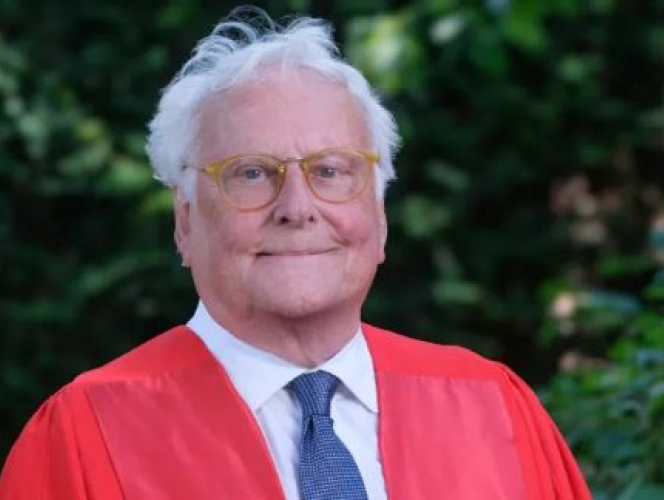
Suba Das, Creative Director of Liverpool Everyman

Clare College, 2002
Suba Das is Creative Director of the Liverpool Everyman and Playhouse Theatres. He originally studied Law before switching to English. The child of Indian migrants, he says he is the 'only Oxbridge educated person of colour and working class person that has ever run a theatre' and feels the responsibility of that. He explains one of the motivations behind some of the changes he's made: 'It shouldn't be the case that black, brown kids, disabled kids have to imagine themselves as white and able-bodied before being able to identify with a show.'